
PP Decorative Film for Kitchen Cabinets: Buyer Guide
Choosing a decorative surface for a kitchen or bathroom cabinet starts with the panel, the application and the production process—not simply the colour of the film. TLBS lists PP (polypropylene) decorative film for kitchen and bath cabinet surfaces and other moisture-resistant decorative-surface applications. Confirm the selected grade's suitability for the actual project before production.
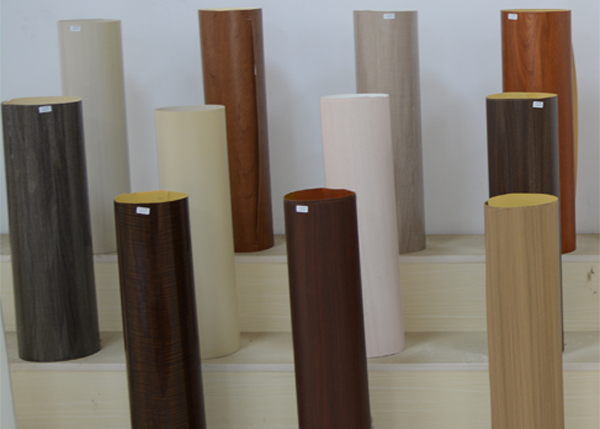
Start with the cabinet application
List the component to be covered, the substrate, whether the surface is flat or profiled, and how the finished cabinet will be cleaned and used. For kitchen or bathroom projects, describe the moisture, heat, cleaning and wear requirements you need the finished assembly to meet. These requirements should be checked against the selected film grade and the complete panel construction.
Check the available PP film dimensions
The owner-confirmed TLBS PP decorative film range is 0.08–0.30 mm thick, 1,000–1,260 mm wide (customizable), and 100–1,000 linear metres per roll. The stated minimum order quantity is 5,000 linear metres. Confirm the selected design, dimensions, tolerances, allocation and supply terms with TLBS when requesting a quotation.
Match the film to the production process
Tell the supplier whether the project uses flat lamination, wrapping or thermo-forming, and provide the substrate, adhesive system and equipment details. A process reference is not a universal production recipe: confirm the settings for the chosen grade, adhesive and machine, and evaluate a trial before approving the finished specification.
Prepare a useful sample or quotation request
- Cabinet application and substrate.
- Preferred design or a reference image.
- Required thickness, width and estimated quantity in linear metres.
- Process, adhesive and equipment details.
- Destination and sample-evaluation requirements.
For the complete gallery, specifications and enquiry checklist, visit the TLBS PP decorative film product page. You can also review the PVC decorative film range; compare the selected grades against the same substrate and process, and ask TLBS which option fits your project. No material should be selected on a general claim alone—confirm performance and availability for the specific grade.